

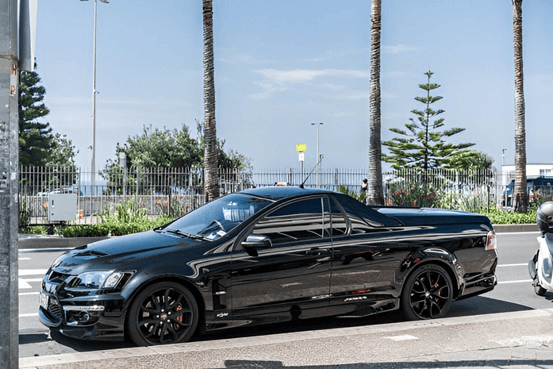
Purchasing a used vehicle involves more than choosing a model and price. Every decision should be supported by clear facts, verified records, and practical evaluation. T & D Auto Group helps buyers focus on the details that matter most before committing. From ownership history to mechanical condition, the right questions uncover risks, confirm value, and prevent costly oversights. A structured approach allows buyers to move forward with confidence, clarity, and long-term peace of mind.
Key Takeaways
- Ask direct questions before committing
- Verify records using trusted sources
- Inspections reduce long-term risk
- Total cost matters more than price
- Transparency protects your investment
Why the Right Questions Matter?
Used vehicles come with history, some good, some uncertain. Without asking the right questions, buyers risk inheriting mechanical issues, hidden costs, or documentation problems. A well-informed buyer avoids regret and drives away with confidence. Taking time to ask direct, relevant questions creates transparency and protects long-term value.
- Reveals prior accidents, repairs, or title concerns
- Helps identify future maintenance and ownership costs
- Confirms the vehicle’s condition matches its asking price
- Reduces unexpected issues after purchase
12 Essential Questions Every Buyer Should Ask
Whether you’re buying from a dealership or a private seller, asking thoughtful questions can help you avoid surprises, protect your wallet, and drive away with confidence. Below are 12 essential questions every buyer should ask before purchasing a used car.
1. Why Is the Car Being Sold?
This simple question can reveal a lot. Sometimes the answer is harmless, like upgrading to a newer model. Other times, it may hint at recurring issues.
- Look for honest, straightforward answers
- Be cautious if the seller seems evasive
- Watch for red flags like “I don’t know” or vague explanations
2. How Many Miles Are on the Car?
Mileage helps you understand how much life the car may have left. While high mileage isn’t always bad, it affects value and future maintenance needs.
- Compare the mileage to the car’s age
- Highway miles are usually easier on a car than city miles
- Extremely low mileage can also be suspicious
3. Has the Car Been in Any Accidents?
Accident history matters more than many buyers realize. Even well-repaired cars can have lingering issues.
- Ask about both minor and major accidents
- Check if airbags were deployed
- Look for uneven paint or panel gaps
4. Can I See the Vehicle History Report?
A vehicle history report adds transparency and peace of mind. It can confirm what the seller tells you or contradict it.
- Look for title issues or salvage branding
- Verify reported mileage
- Check for flood or theft records
5. What Is the Maintenance History?
A well-maintained car is often more valuable than a newer one that’s been neglected. Regular maintenance service shows the previous owner cared for the vehicle.
- Ask for service records or receipts
- Check if oil changes were done on time
- See if major services (like timing belt replacement) were completed
6. Are There Any Current Mechanical Issues?
This question helps uncover known problems before they become your responsibility. Sellers are not always required to volunteer this information unless asked.
- Ask directly about engine, transmission, or brake issues
- Listen for hesitation or overly casual answers
- Pay attention to warning lights on the dashboard
7. Can I Take the Car for a Test Drive?
Never buy a used car without driving it first. A test drive reveals issues you won’t notice while the car is parked.
- Drive on city streets and highways
- Listen for strange noises or vibrations
- Test braking, acceleration, and steering
8. Can I Have the Car Inspected by a Mechanic?
A professional inspection is one of the smartest moves you can make. It can save you from expensive surprises down the road.
- Choose an independent automotive mechanic
- Ask for a written inspection and maintenance report
- Use vehicle safety and inspection results to negotiate price
9. Is the Title Clean and in the Seller’s Name?
Title problems can turn a good deal into a legal headache. Always verify ownership before buying.
- Make sure the VIN matches the title
- Avoid cars with lien issues unless resolved
- Be cautious of “rebuilt” or “salvage” titles
10. What Is the Out-the-Door Price?
The sticker price is not the final cost. Understanding the full price helps you stay within budget.
- Ask about taxes, registration, and fees
- Watch for unnecessary add-ons
- Get the final price in writing
11. Is There Any Warranty or Return Policy?
Some used cars come with limited warranties, while others are sold “as-is.” Knowing this upfront protects you.
- Ask if there’s a dealer warranty
- Understand what is and isn’t covered
- Check if there’s a short return window
12. Is the Price Negotiable?
Most used car prices have some wiggle room. Asking this question can save you hundreds or even thousands of dollars.
- Use inspection findings as leverage
- Compare prices of similar vehicles
- Be prepared to walk away if the deal doesn’t feel right
Conclusion
Buying a used car should feel informed, not uncertain. The right questions shift control back to the buyer and reduce long-term risk. At T & D Auto Group, our approach centers on transparency, documentation, and customer confidence. If you are planning to purchase a used vehicle, contact us today to receive guidance, verified inventory options, and a buying experience built on trust.
FAQs:
Is it safe to buy a used car instead of a new one?
Yes. When properly inspected and supported by clear documentation, used cars can offer strong value, reliability, and long-term performance.
How many miles is too many miles on a used car?
There is no fixed mileage limit. Overall condition, maintenance history, and vehicle type are more important than mileage alone.
Should I always get a vehicle history report?
Yes. A vehicle history report helps identify past accidents, title issues, service records, and potential mileage inconsistencies.
Can I negotiate the price of a used car?
In most cases, yes. Reviewing market value, vehicle condition, and inspection findings supports effective negotiation.
Do used cars come with warranties?
Some used cars do. Certified pre-owned vehicles and dealer-backed sales often include limited warranties or coverage options.
Is a pre-purchase inspection necessary?
Yes. A third-party pre-purchase inspection can reveal mechanical or structural issues that may not be immediately visible.