

How to Compare Two Used Cars Before Making a Purchase
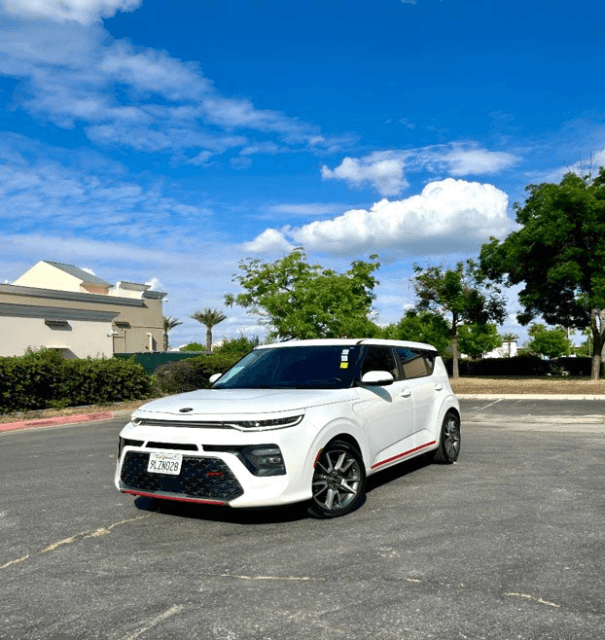
Choosing between two used cars can feel like flipping a coin, but it does not have to. At T & D Auto Group, we walk Fresno buyers through the details that actually matter, including history, condition, financing, and long term value. This guide breaks down exactly how to compare two vehicles side by side so you drive away with confidence rather than confusion.
Key Takeaways
- Compare vehicle history reports before you compare sticker prices.
- A pre-purchase inspection reveals problems a test drive cannot.
- Total cost of ownership matters more than the number on the windshield.
- Safety ratings and financing terms can break a tie between similar cars.
- Written documentation protects you well after the sale is final.
Shopping for a used car in Fresno usually comes down to a final round between two solid contenders. Both may look similar on paper, yet one will fit your budget and lifestyle far better than the other. A structured comparison keeps emotion out of the decision and puts facts in charge. Here is how to work through it step by step.
Start With the Vehicle History, Not the Price Tag
Before you compare numbers on a window sticker, pull the history report for each car. Look for prior accidents, title issues, and the number of previous owners. According to the California DMV, buyers should compare the seller information on the title against the person selling the car and request a written estimate for any needed repairs before agreeing to a price.
- Request the VIN for both vehicles and run a history report on each.
- Note any salvage, rebuilt, or flood titles, since these lower long term value.
- Ask how many owners each car has had and how it was used.
Check the Numbers: Mileage, Age, and Total Cost
Mileage and age tell only part of the story. A five year old car with highway miles often holds up better than a three year old car used for short city trips with constant stop and go wear. Line up both vehicles side by side using these factors:
- Total mileage compared with the average 12,000 miles driven per year.
- Asking price plus tax, registration, and any dealer fees.
- Estimated fuel cost based on your typical weekly driving.
- Upcoming maintenance, such as a timing belt or brake service.
Academic research backs up why this step matters. A study published in the Southwest Business and Economics Journal found that certified pre-owned vehicles required noticeably less maintenance spending than other used cars of the same age, which is a useful data point when two vehicles otherwise look evenly matched.
Inspect Before You Fall in Love
It is easy to fall for the car with the shinier paint job, so slow down and inspect both vehicles the same way. The Better Business Bureau recommends checking the exterior for uneven panel gaps, examining the tires for wear patterns, and pulling the oil dipstick to check its color. Bring a flashlight and take your time on both cars using an identical checklist.
- Check the exterior in daylight for paint, rust, or panel irregularities.
- Open the hood and inspect fluid color, hoses, and belts.
- Have an independent mechanic inspect each finalist before you decide.
Take Both Cars for a Real Test Drive
A parking lot test drive rarely reveals much. Drive both cars on the highway, on rough pavement, and through a few tight turns. Consumer Reports suggests paying attention to visibility, seat comfort, and how the brakes respond, since these details are easy to miss on a short drive around the block.
Compare Safety Ratings Side by Side
Safety features vary more between model years than most buyers expect. The Insurance Institute for Highway Safety publishes crash test results and driver assistance ratings for both new and used vehicles, which makes it simple to see how your two finalists actually compare rather than guessing based on size or brand reputation.
- Compare crashworthiness ratings for both models and years.
- Check whether each car includes electronic stability control as standard.
- Confirm the airbag count and placement for both vehicles.
Look at Financing, Not Just the Sticker Price
The lower priced car is not always the better deal once financing enters the picture. Body style affects monthly payments, and loan term and interest rate change the real cost of each vehicle over time. Even military families face similar tradeoffs, and securing a loan quote before visiting a dealership so you can compare offers with a clear head.
- Ask for the total loan cost, not only the monthly payment.
- Compare interest rates from your bank alongside dealer financing.
- Factor insurance premiums into your monthly budget for each car.
Weigh Reliability and Long Term Ownership Costs
Two similar cars can have very different reliability records. Safety and reliability data influence which used vehicles hold their value best, and a vehicle history report can flag whether a car had frequent past repairs. Weigh this evidence alongside your own test drive impressions before making a final call.
Get Everything in Writing
Once you settle on a winner, make sure every promise from the seller is written into the purchase agreement. Verbal assurances about repairs or warranties mean little once you drive off the lot, so read the buyer's guide carefully and keep a copy of everything you sign.
- Confirm whether the car is sold as is or with a warranty.
- Get any promised repairs in writing with a completion date.
- Keep a signed copy of the mileage statement and purchase contract.
Conclusion
Comparing two used cars does not need to be stressful when you follow a clear process. Our team can walk you through financing, history reports, and inspections side by side so you choose with confidence. Contact us today, and let T & D Auto Group help you make the right call.
FAQs:
What is the first step when comparing two used cars?
Start with a vehicle history report for each car to spot prior accidents, title issues, or ownership problems.
Should I get both cars inspected by a mechanic?
Yes. An independent mechanic can catch hidden issues that a test drive or visual check will likely miss.
Does mileage matter more than the age of the car?
Both matter. Compare mileage against the car's age and consider how and where it was mainly driven.
How do I know which car is the better financial choice?
Compare total loan cost, insurance, and expected maintenance, not just the advertised price or monthly payment.
Are safety ratings different between similar used cars?
Yes. Safety features often change by model year, so check current ratings instead of assuming both cars are equal.
What should I always get in writing before buying?
Get the warranty terms, any promised repairs, and the mileage statement documented in the purchase agreement.