

Is Your Trade-In Worth More Than You Think?
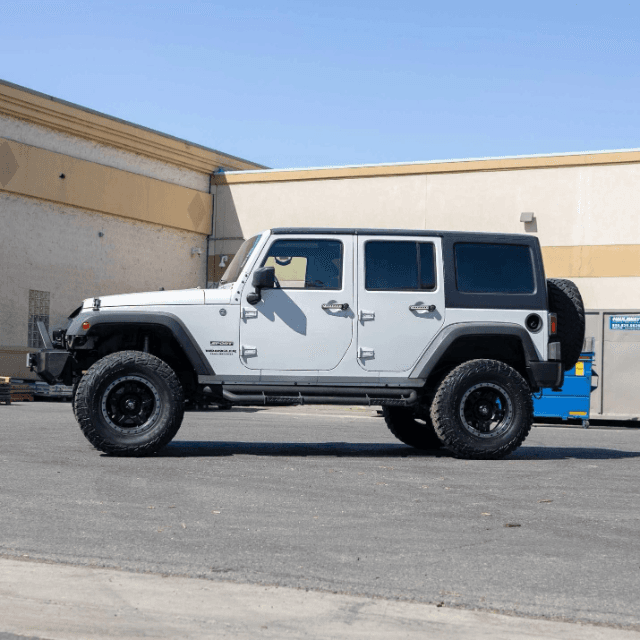
Trading in an old car often feels like handing over something worth pocket change, but that assumption could be costing you real money. At T & D Auto Group, we see customers underestimate their trade-in value every week. This guide breaks down what actually drives your car's worth right now, and how to make sure you get every dollar you deserve.
Key Takeaways
- Trade-in values are near record highs across the country right now
- Mileage, condition, and timing matter more than the car's age alone
- Getting a written offer from more than one source protects your leverage
- Negotiating your trade-in separately from your new car price pays off
- A trusted local dealer will walk you through your car's real value
Your Trade-In Might Be Worth More Than You Assume
Here is something a lot of shoppers do not expect. According to recent data, the average amount of positive equity on trade-ins toward a new vehicle purchase reached a record high in 2026, nearly double what it was before the pandemic. That means plenty of owners are sitting on more value than they realize, simply because their mental math has not caught up with today's market. Used vehicle prices shifted dramatically over the past few years, and many people still price their car based on outdated assumptions. If your last trade-in was years ago, or if you have never traded in a vehicle before, the number in your head is probably lower than the number a dealer would actually offer today.
What Actually Sets Your Trade-In Value
Several factors combine to set your trade-in offer, and none of them work in isolation.
- Mileage and Age: Lower mileage for the car's age almost always means a stronger offer
- Condition: Clean interiors, working mechanicals, and a solid maintenance history add real value
- Market Demand: Trucks, SUVs, and fuel efficient sedans often hold value better in the Central Valley
- Timing: Seasonal demand and current inventory levels can shift offers from month to month
The Federal Trade Commission's guidance for used car shoppers points out that getting the facts about a vehicle's history and condition before any transaction helps both buyers and sellers avoid surprises down the road. That advice cuts both ways when you are the one trading in a car, since knowing your vehicle's true condition helps you understand what a fair offer actually looks like.
Do Your Homework Before You Negotiate
Before you ever step onto a dealership lot, it pays to arm yourself with a few solid estimates. Consumer Reports recommends checking a trade-in estimator based on your car's make, model, trim, mileage, and condition, then comparing that figure against offers from other buyers to use as leverage during negotiations. Do not stop at one number either. Getting written offers from a couple of sources gives you a real range to work with, rather than a single figure you have to take on faith. Once you walk in with that information, you are negotiating from a position of confidence instead of guesswork.
The Depreciation Curve Is Not as Simple as You Think
One detail that catches people off guard involves how depreciation actually plays out. Research on vehicle depreciation from the University of California, Berkeley shows that the drop in market value during the first few years of ownership is steep, but it slows considerably after that point. In practice, this means an older, well kept vehicle can sometimes hold more relative value than owners expect, especially if it has avoided the sharpest depreciation curve. Academic research on automobile trade patterns highlights how strongly local market conditions and vehicle age interact to shape resale value. In simple terms, a car that is in demand in your specific region can be worth noticeably more than the generic online estimate suggests.
Negotiate the Trade-In and the New Car Separately
One of the simplest ways to leave money on the table is letting your trade-in and your new car price get tangled together. Automotive experts consistently advise locking in the price of your next vehicle first, then negotiating your trade-in as its own separate conversation. This keeps a dealer from quietly inflating one number to offset a discount on the other. At T & D Auto Group, our team walks you through a transparent appraisal, guided by the same process outlined in our trade-in guide for Fresno drivers, so you always know exactly how your trade-in figure was calculated. We believe a fair deal starts with clear numbers, not guesswork or pressure tactics.
Simple Steps to Strengthen Your Offer
A little preparation goes a long way toward a stronger offer.
- Gather your maintenance records and any recent repair receipts
- Have your title and registration ready to speed up the process
- Give your car a thorough clean, inside and out, before your appointment
- Fix small, inexpensive issues like burnt out bulbs or low tire pressure
Recent reporting note that trade-in equity remains historically strong heading into 2026, even as some buyers continue to carry negative equity on newer loans. The gap between those two outcomes usually comes down to how a vehicle was financed and how long it was kept, which is exactly why understanding your own numbers matters so much.
Timing Can Work in Your Favor
If you are weighing whether to trade in now or wait, remember that market conditions shift. A car that qualifies for a strong offer today may not hold that same position in twelve months if demand cools or a newer model changes the picture. When the numbers are already in your favor, there is a real case for acting while conditions remain strong. If financing your next vehicle is part of the plan, our pre-approval guide walks through exactly what to expect.
Conclusion
Your trade-in is likely worth more than you think, especially in today's market. The only way to know for certain is to get a real appraisal from people who will walk you through every number honestly. Ready to see what your vehicle is worth? Contact us today and let our team give you a clear, no pressure trade-in evaluation.
FAQs:
How do dealers determine my trade-in value?
Dealers weigh mileage, condition, market demand, and recent comparable sales to calculate a fair trade-in offer.
Should I fix my car before trading it in?
Only minor, inexpensive repairs are worth it. Dealers factor major repair costs into their offer either way.
Is trading in better than selling my car privately?
Trading in is faster and more convenient, though a private sale often nets a higher final price.
Can I trade in a car that still has a loan on it?
Yes, the dealership verifies your payoff amount with the lender and applies any remaining equity toward your purchase.
Does trading in reduce the sales tax I pay?
In many states, sales tax applies only to the price difference between your new vehicle and your trade-in value.
When is the best time to trade in a vehicle?
Trade-in values are strong right now, so acting while demand and equity remain high can work in your favor.