

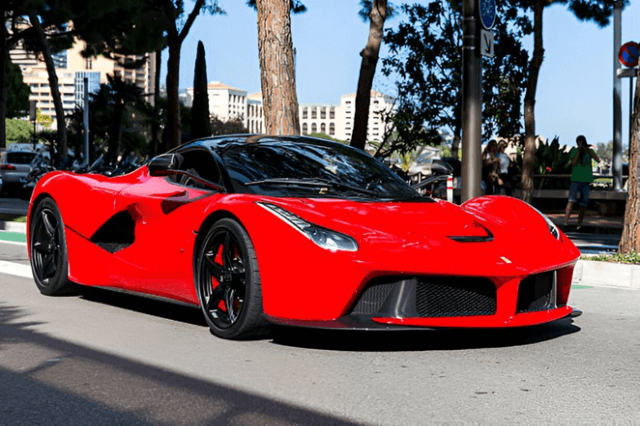
Premium used cars attract buyers seeking refined craftsmanship, reliable engineering, and long-term value. Each model reflects a higher standard of comfort and performance, making careful evaluation essential before any purchase. At T & D Auto Group, clients often look for vehicles that combine strong service history with proven road performance. Understanding the right checkpoints helps buyers secure a luxury model that remains dependable for years.
Key Takeaways
- Review service history in detail
- Inspect technology features and cabin materials
- Assess vehicle performance during a test drive
- Verify title records and ownership history
- Choose a trusted dealership with strong transparency
Understanding Luxury Vehicles in the Pre-Owned Market
Premium vehicles often hold their value due to engineering standards, advanced components, and durable interiors. These models undergo strict testing during production, and most brands maintain robust service recommendations supported by data from organizations such as the National Highway Traffic Safety Administration (NHTSA). Buyers often choose luxury vehicles because of long-term performance, low cabin wear, and strong reliability ratings from trusted sources. Additional factors such as technology stability, service cost predictability, and long-term ownership comfort also influence purchasing decisions.
When choosing a pre-owned luxury model, it is essential to work with a dealership committed to quality. T & D Auto Group follows a complete vehicle safety and inspection process before listing any vehicle for sale, ensuring each model meets professional standards and offers dependable value for buyers.
Key elements buyers typically assess include:
- Overall mechanical integrity
- Verified maintenance history
- Interior condition and feature operation
- Exterior structure and finish quality
- Long-term ownership confidence backed by reliable records
- Dealership transparency and documented inspection reports
What to Check When Buying a Luxury Pre-Owned Vehicle
1. Vehicle History Report
- Why It’s Important: A vehicle history report from sources provides critical information about the car’s past, including accidents, service history, number of previous owners, and more. For luxury cars, it’s vital to ensure that the car has been well-maintained and hasn’t been in any serious collisions.
- What to Look For: Look for a clean history with no major accidents or flood damage. Multiple owners might indicate that the car was difficult to maintain or that it had reliability issues. A regular maintenance record is a good sign that the car has been cared for.
2. Maintenance and Service Records
- Why It’s Important: Luxury cars typically require more expensive parts and specialized service than non-luxury vehicles. Having a detailed service history can help you determine whether the car has been properly maintained.
- What to Look For: Ensure that the car has undergone regular oil changes, brake service, tire rotations, and other maintenance tasks. Some luxury cars also require specific fluid changes (e.g., transmission fluid, coolant), so verify that these services have been done on time.
3. Inspect the Exterior and Interior
Why It’s Important: The condition of the exterior and interior tells you a lot about how well the car has been treated. Luxury cars are typically built with high-quality materials, but they can still show signs of wear over time.
- What to Look For:
- Exterior: Check for dents, scratches, rust, and the condition of the paintwork. Luxury cars, especially those with metallic or pearl paint, may be more prone to chipping or fading if not cared for.
- Interior: The seats, dashboard, and other components for wear. Leather upholstery, in particular, can crack and fade over time, especially if not conditioned regularly.
4. Test Drive the Car
Why It’s Important: A test drive is your opportunity to experience how the car drives, handles, and sounds in real-world conditions. Luxury cars are built for performance, so this step is crucial to ensure the vehicle is operating as it should.
- What to Look For:
- Engine: Listen for any unusual noises such as knocking or excessive engine noise. Ensure the car accelerates smoothly and the transmission shifts without hesitation.
- Handling: Luxury cars are known for their superior handling and tight steering. Ensure the car feels stable and responsive, not loose or wobbly.
- Comfort: Check the air conditioning, sound system, and other luxury features to ensure they work properly.
5. Tires and Suspension
- Why It’s Important: Tires and suspension systems are critical for the performance and safety of the vehicle. Luxury cars often come with premium tires and suspension systems that can be costly to replace.
- What to Look For: Inspect the tires for tread wear and ensure they are all of the same brand and type. Uneven tire wear could indicate suspension problems or alignment issues. The suspension should feel smooth and responsive, without any noticeable clunking or bouncing.
6. Check for Recalls
- Why It’s Important: Luxury cars, like all vehicles, can have recalls for various reasons, ranging from safety concerns to technical issues. You’ll want to ensure that any necessary recall repairs have been made before you purchase the car.
- What to Look For: Research the car’s VIN (Vehicle Identification Number) on the National Highway Traffic Safety Administration (NHTSA) website to see if it’s been involved in any recalls and verify that all recall work has been completed.
7. Warranty and Extended Coverage
- Why It’s Important: Many luxury cars come with a manufacturer’s warranty, but once it expires, repairs can be expensive. Some used luxury cars may still have a portion of their original warranty left, or you might be able to purchase an extended warranty for additional peace of mind.
- What to Look For: If the car is still under warranty, make sure you get the details on what is covered. If not, consider the cost of future repairs and the availability of extended warranty options.
What to Expect When Buying a Used Luxury or Premium Car
1. Higher Initial Price
- Why It’s Important: Luxury cars are typically more expensive than standard vehicles, even when purchased used. You’ll often pay more upfront for a used luxury car than you would for a non-luxury used vehicle of the same age or mileage.
- What to Expect: Be prepared to pay a premium for a luxury brand, but note that luxury cars often retain their value better than non-luxury cars, meaning they may offer better resale value in the long term.
2. Higher Maintenance and Repair Costs
- Why It’s Important: Luxury vehicles are equipped with high-performance engines, advanced technology, and premium features. As a result, parts and repairs can be more expensive compared to standard vehicles. Premium components and technology typically require specialised care, often completed by a certified automotive technician.
- What to Expect: Routine maintenance will cost more than it would for a non-luxury car, and unexpected repairs, such as engine or transmission issues, can be very costly. Always factor these potential costs into your budget when considering a luxury used car.
3. Depreciation
- Why It’s Important: While luxury cars depreciate faster than economy cars in the first few years, they often level off and hold their value better once they reach a certain age or mileage.
- What to Expect: Expect significant depreciation in the first few years, but a luxury vehicle that has already been used for several years might not depreciate as quickly in subsequent years.
4. Special Financing or Leasing Options
- Why It’s Important: Some dealerships offer special financing or leasing options for used luxury cars, especially certified pre-owned (CPO) vehicles.
- What to Expect: You may have access to lower interest rates, extended warranty packages, or other perks that can make buying a used luxury car more affordable and reassuring.
Conclusion
A luxury pre-owned vehicle offers comfort, performance, and long-term value when carefully selected. Each point in this guide helps buyers make clear decisions. For a trusted buying experience, expert support, and verified premium inventory, contact us today to schedule a consultation or test drive.
FAQs:
What mileage is acceptable for a luxury used car?
Mileage varies by model, but consistent maintenance records are more important than total miles.
How important is a service history?
It is essential. A complete history confirms proper care.
Are luxury used cars expensive to maintain?
Maintenance can vary, but high-quality vehicles often perform well with scheduled service.
Should I test drive before purchasing?
Yes. A test drive reveals performance, comfort, and mechanical response.
Do luxury used cars hold value?
Many premium models retain strong value due to engineering and durable materials.
What documents should I review?
Review the title, service history, and ownership records.