

Should You Buy a Used Electric Vehicle? Pros & Cons
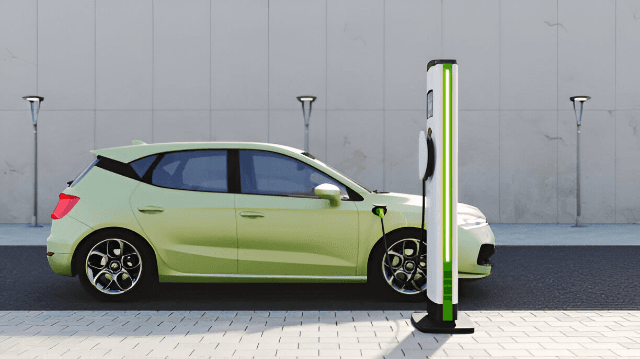
Electric vehicles are no longer futuristic, they’re mainstream. As EV technology matures, buyers now face a new question: should you buy one used? At T & D Auto Group, we help Fresno drivers make confident decisions about pre-owned electric cars that balance cost, performance, and peace of mind.
Key Takeaways
- Used EVs cost less upfront and are cheaper to maintain
- Battery health is crucial, verify warranty and range data
- Tax credits may still apply to qualifying used models
- Charging access matters for daily convenience
- Buying from a trusted dealer ensures reliability and support
Electric vehicles (EVs) are no longer a futuristic concept, they’re a mainstream reality. With automakers like Tesla, Ford, Chevrolet, Hyundai, and Nissan expanding their electric lineups, more used EVs are hitting the market than ever before. As prices of new EVs remain high, many drivers are starting to consider buying used. But is purchasing a pre-owned electric vehicle really a smart move? Like any major decision, it depends on your priorities, budget, and expectations. Here’s a detailed look at the pros and cons of buying a used EV in today’s market.
The Pros of Buying a Used Electric Vehicle
1. Lower Purchase Price
The biggest advantage of buying used, electric or not, is saving money. New EVs tend to depreciate faster than gas-powered cars, particularly during the first few years. That means you can often find a three-year-old electric vehicle for thousands less than its original sticker price. For example, a new Tesla Model 3 might cost around $40,000–$45,000, but a used 2020 model can often be found for $25,000–$30,000, depending on mileage and condition. That kind of savings makes owning an EV more accessible to a wider range of drivers.
2. Lower Operating Costs
One of the biggest perks of owning any EV is reduced operating costs. Electricity is generally cheaper than gasoline, and maintenance is simpler because EVs don’t have oil changes, exhaust systems, or complex transmissions. Even in a used model, you’ll likely save hundreds of dollars per year on maintenance and fuel compared to a comparable gas-powered car. Regenerative braking also reduces wear on brake pads, adding to your long-term savings.
3. Environmental Benefits
Choosing an electric vehicle, new or used, helps reduce tailpipe emissions and overall carbon output. By buying a used EV, you’re also helping to extend the life of an existing vehicle rather than contributing to the environmental impact of manufacturing a new one. For eco-conscious consumers, this is a win-win.
4. Incentives and Tax Benefits (in Some States)
While federal tax credits typically apply only to new EVs, several states and local governments now offer rebates or incentives for used electric vehicles. For example, California and Colorado have programs that provide financial assistance for qualifying used EV purchases. It’s worth checking what’s available in your state before you buy.
5. Instant Availability
New electric cars often have long wait times or supply shortages, especially for popular models. With a used EV, what you see is what you get, you can test drive it and take it home the same day without waiting months for delivery.
The Cons of Buying a Used Electric Vehicle
1. Battery Degradation
The most important, and sometimes most concerning, factor in a used EV is battery health. Over time, an EV’s battery loses some of its capacity, meaning it won’t hold as much charge as it did when new. The degree of degradation depends on factors like age, mileage, climate, and charging habits. Most modern EVs lose about 1–2% of battery capacity per year, but older models may experience more significant losses. A car that once had a 250-mile range might now offer only 200 miles or less. Before buying, ask for a battery health report or have it inspected by a certified EV technician. Many automakers also include battery warranties, often 8 years or 100,000 miles, so check if coverage still applies.
2. Limited Range Compared to New Models
EV technology has improved rapidly in recent years. A used 2017 Nissan Leaf, for example, might have a range of only 100 miles, while newer EVs easily surpass 250 miles per charge. If you have a long daily commute or frequently take road trips, the shorter range of an older EV could be limiting. For city driving or short commutes, however, this may not be an issue.
3. Charging Infrastructure and Compatibility
While the charging network in the U.S. is expanding, compatibility can still be a concern. Older EVs may not support today’s faster DC fast chargers or newer charging standards. Additionally, not all used models come with a home charging cable or adapter. Before buying, research what type of charging connector the vehicle uses and make sure you’ll have access to compatible chargers in your area.
4. Uncertain Maintenance History
Because electric vehicles are relatively new to the used market, it can be harder to find detailed service records. If a previous owner didn’t follow best practices, like avoiding excessive fast charging or storing the car in extreme temperatures, the battery could have degraded faster than expected. Always ask for maintenance documentation and consider buying from a certified pre-owned (CPO) program offered by the manufacturer. CPO EVs typically go through a rigorous inspection and may come with extended warranties.
5. Potentially Outdated Technology
Technology evolves quickly, and some older EVs may feel dated. Features like advanced driver assistance, infotainment systems, or smartphone integration have improved dramatically in just a few years. Software updates can help, but not all older models support them. If tech features are important to you, make sure the used EV you’re considering has the options you want, or be prepared to compromise.
So, Should You Buy a Used EV?
Buying a used electric vehicle can be an excellent choice if you do your homework. It’s a great way to experience the benefits of electric driving, quiet performance, low maintenance, and zero tailpipe emissions, without the high upfront cost of a new model. Staying informed about electric vehicle industry trends can also help you make smarter decisions, as advancements in battery technology and market demand continue to influence pricing, range, and resale value. However, it’s crucial to pay close attention to battery health, range, and warranty coverage. If possible, buy from a reputable dealer or manufacturer’s certified pre-owned program, and have the vehicle inspected by someone knowledgeable about EVs. For drivers who mostly commute locally and have access to home or workplace charging, a used EV can be a smart, economical, and environmentally friendly decision. But if you need a longer range, cutting-edge features, or peace of mind about battery life, investing in a newer model might be worth the extra cost.
Your Fresno Partner for Electric & Hybrid Vehicles
At T & D Auto Group, we combine market expertise with customer care to make switching to electric simple. Our certified technicians inspect every pre-owned EV for battery condition, safety, and performance. Whether you’re a first-time electric driver or upgrading your current ride, or exploring the top hybrid vehicles for efficiency and comfort, we help you find an affordable, dependable option tailored to your lifestyle. You can explore:
- Used Cars for Sale in Fresno
- Trade-In Appraisal
- Financing Options
Conclusion
Buying a used electric vehicle can be a smart move, financially and environmentally. With the right guidance, you can enjoy all the benefits of electric mobility without overspending. At T & D Auto Group, we simplify the process with verified inspections, clear financing, and honest advice. Contact us today to explore the best used electric vehicles in Fresno.
FAQs:
Are used electric vehicles reliable?
Yes. When purchased from a reputable dealer, used EVs are highly reliable. Batteries and motors require minimal maintenance compared to combustion engines.
How long does an EV battery last?
Most last 8–12 years or 100,000 miles. Newer chemistry designs make degradation slower, especially with proper charging habits.
Can I charge a used EV at home?
Absolutely. You can install a Level 2 charger at home for faster charging or use a standard outlet for overnight top-ups.
Do used EVs still qualify for tax credits?
Yes, under the Used Clean Vehicle Credit program, buyers may get up to $4,000 back depending on eligibility.
How much range do older electric cars have?
It varies by model. Early EVs average 100–150 miles per charge, while newer pre-owned ones exceed 250 miles.
Why buy from T & D Auto Group?
T & D Auto Group inspects every EV thoroughly, verifies warranty status, and provides transparent pricing and financing support to make ownership simple and worry-free.