

The Complete Financing Comparison: Lease vs Loan
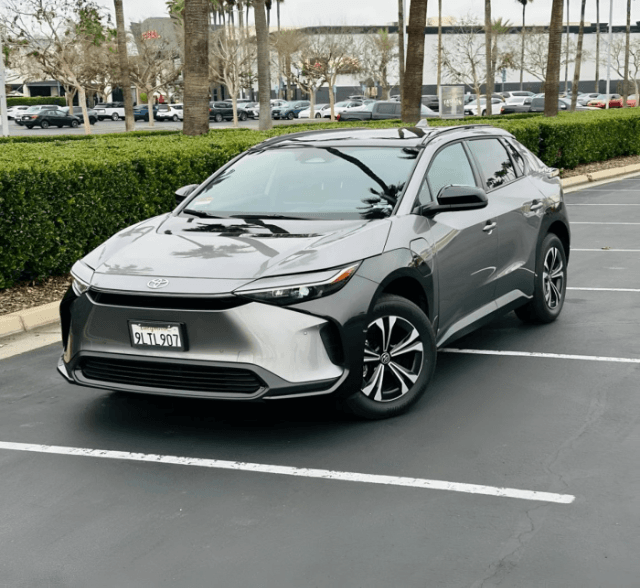
Choosing how to finance a vehicle is not just a financial decision, it shapes how you use, maintain, and eventually replace your car. At T & D Auto Group, customers often weigh leasing against taking a loan, each offering distinct advantages depending on lifestyle, budget, and long-term plans. Understanding the structure behind both options helps avoid unnecessary costs and ensures the decision aligns with your financial goals and driving needs.
Key Takeaways
- Leasing offers lower payments but no ownership
- Loans provide ownership and long-term value
- Mileage and usage play a key role
- Hidden costs exist in both options
- The right choice depends on lifestyle and financial goals
Understanding the Basics of Leasing vs Loan Financing
Vehicle financing typically comes down to two primary options, each offering a different path depending on your financial goals and how you plan to use your vehicle. The choice between leasing and financing loan is not just about monthly payments; it affects long-term costs, ownership, and overall financial stability. Understanding how each option works helps you make a more informed decision that aligns with your needs. According to the Consumer Financial Protection Bureau:
- Leasing – Paying to use a vehicle for a fixed term without owning it
- Loan (Financing) – Paying over time to gain full ownership of the vehicle
Each option leads to different financial outcomes and long-term commitments Total cost matters more than monthly payments when evaluating financing decisions
What Is Vehicle Leasing?
A lease is essentially a long-term rental agreement. You pay to use an asset for a specific period, but you don’t own it at the end unless there’s a buyout option. Leasing is especially common for vehicles and business equipment, where latest automotive trends or models change frequently. Key characteristics of a lease:
- Lower monthly payments compared to loans
- Fixed term (e.g., 2–5 years)
- Mileage or usage limits (for vehicles)
- Ownership is not included unless you decide to purchase at the end.
- Often includes warranty coverage during the lease period
Leasing is ideal for those who prefer predictable costs and like upgrading to newer models regularly.
What Is a Car Loan?
A loan, on the other hand, is a financing arrangement where you borrow money to purchase an asset outright. You make monthly payments that include both principal and interest, and once the loan is paid off, the asset is yours. Loans are commonly used for cars, real estate, and business investments. Key characteristics of a loan:
- Higher monthly payments compared to leases
- Ownership of the asset once the loan is repaid
- No usage restrictions (like mileage limits)
- Ability to sell or modify the asset
- Builds equity over time
A loan is often the better option for those focused on long-term ownership and value.
Lease vs Loan: Side-by-Side Comparison
1. Monthly Payment Comparison
One of the biggest factors influencing the decision is the monthly cost. Leases generally offer lower payments because you’re only paying for the depreciation of the asset during the lease term, not the full purchase price. Loans, by contrast, require you to pay off the entire value of the asset plus interest. Payment differences include:
- Lease payments are typically more affordable upfront
- Loan payments are higher, but contribute to ownership
- Leases may require lower down payments
- Loans may offer more flexibility in repayment terms
If keeping monthly expenses low is your priority, leasing can be appealing. But lower payments don’t always mean better long-term value.
2. Ownership and Equity
Ownership is where leasing and loans differ the most. With a lease, you’re essentially borrowing the asset. At the end of the term, you return it, renew the lease, or purchase it at a predetermined price. With a loan, every payment you make increases your ownership stake. Ownership considerations:
- Leasing does not build equity
- Loans result in full ownership after payoff
- Owned assets can be resold or traded
- Leasing requires continuous payments if you want ongoing use
If you value having an asset you can keep or sell, a loan is the clear winner.
3. Flexibility and Lifestyle Fit
Your lifestyle and usage habits play a big role in determining the best option. Leases come with restrictions, especially for vehicles, where exceeding mileage limits or causing excessive wear can lead to additional fees. Loans offer more freedom since you own the asset. Flexibility differences:
- Leases may include usage restrictions
- Loans allow unlimited use and customization
- Ending a lease early can be costly
- Loans can often be refinanced or paid off early
If you need flexibility and control, a loan is generally more suitable.
4. Maintenance and Repairs
Maintenance responsibilities can vary depending on whether you lease or take out a loan. Leased assets are often under warranty for the duration of the lease, reducing out-of-pocket repair costs. However, you may still be responsible for wear-and-tear charges. With a loan, all maintenance costs fall on you once warranties expire. Maintenance considerations:
- Leases may include warranty coverage
- Loans require you to handle all repairs
- Excessive wear on leased items can lead to penalties
- Owned assets can be repaired or modified freely
Leasing can provide peace of mind in terms of maintenance, especially for newer assets.
5. Long-Term Cost Comparison
While leases often have lower monthly payments, they can be more expensive over time if you continue leasing one asset after another. Loans may cost more upfront, but can be more economical in the long run once the asset is paid off. Cost factors to consider:
- Leasing involves ongoing payments with no ownership
- Loans eventually eliminate monthly payments
- Interest costs can add up with loans
- Leasing may include fees for mileage or damage
It’s important to look beyond the monthly payment and consider the total cost over several years.
6. Tax and Business Considerations
For business owners, the choice between leasing and loans can also impact taxes. Leasing payments are often fully deductible as a business expense, while loan payments may only allow deductions for interest and depreciation. Business-related benefits:
- Lease payments may offer immediate tax deductions
- Loans provide depreciation benefits over time
- Leasing can preserve working capital
- Loans contribute to asset ownership on the balance sheet
Consulting with a financial advisor or accountant can help you maximize the financial benefits of either option.
When Leasing Makes Sense
Leasing may be the better option in certain scenarios. Choose a lease if:
- You prefer lower monthly payments
- You like upgrading to newer models frequently
- You don’t want to deal with long-term maintenance
- You use the asset within typical limits
Leasing works well for those who value convenience and predictability.
When a Loan Is the Better Choice
A loan is often the smarter option for long-term financial stability. Choose a loan if:
- You want to own the asset outright
- You plan to use it for many years
- You need flexibility in usage
- You want to build equity
Loans are ideal for those focused on long-term value and control.
Hidden Costs to Watch
Both options include additional costs. Leasing risks:
- Mileage penalties
- Early termination fees
- Wear-and-tear charges
Loan risks:
- Interest accumulation
- Depreciation impact
- Long-term financial commitment
How to Choose the Right Option
The decision should reflect your situation. Ask yourself:
- How long will I keep the vehicle?
- How much do I drive annually?
- Do I value ownership or flexibility?
- What fits my financial structure?
Why Financing Guidance Matters
Selecting between leasing and financing option is not always a simple decision. Each option comes with different financial commitments, long-term implications, and usage limitations. Without clear guidance, it is easy to focus only on monthly payments rather than the full financial picture. At T & D Auto Group, the priority is to help customers make informed choices that align with their real-world needs and financial goals.
- Leasing and financing involve different long-term outcomes
- Monthly payments do not reflect the total cost
- Professional guidance helps avoid costly mistakes
- Decisions should match lifestyle, budget, and driving habits
Conclusion
Vehicle financing should support your life, not complicate it. Understanding the differences between leasing and loans helps avoid unnecessary costs and ensures better financial outcomes. At T & D Auto Group, every customer receives guidance tailored to their needs. Contact us today to explore financing options and choose the path that fits your budget, lifestyle, and long-term plans.
FAQs:
Is leasing cheaper than financing a car?
Leasing usually has lower monthly payments, but financing may cost less in the long run due to ownership.
Can I buy a car after leasing it?
Yes. Many leases include a purchase option at the end of the term.
What happens if I exceed mileage on a lease?
You may be charged additional fees based on the extra miles driven.
Is a loan better for long-term savings?
n many cases, yes. Once the loan is fully repaid, monthly payments are no longer required.
Do leased cars require a down payment?
Some leases require upfront payments, while others offer low or zero-down options.
How do I decide between leasing and financing?
Consider your budget, driving habits, and whether you prefer ownership or flexibility.