

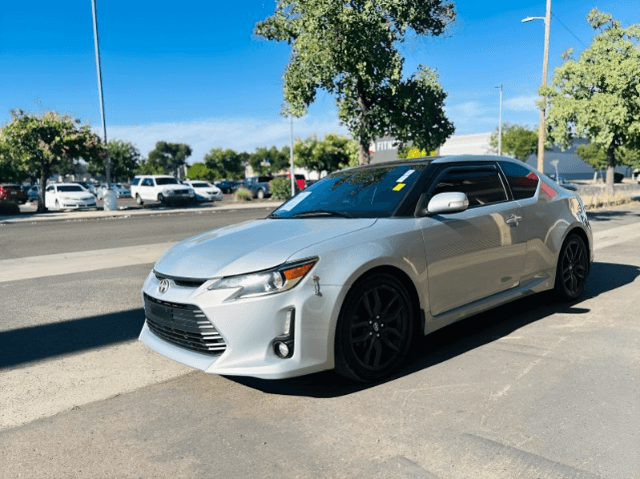
When it is time to move on from your current vehicle, you have two main choices. You can trade it in at a dealership or sell it yourself. Each option offers clear advantages, along with some drawbacks. At T & D Auto Group, we help Fresno drivers weigh their options before upgrading. This guide compares both paths so you can choose with confidence.
Key Takeaways
- A private sale may bring a higher price.
- A trade in saves time, paperwork and stress.
- Private sellers face greater scam and safety risks.
- Negative equity affects both options.
- California taxes the full purchase price, even with a trade in.
How a Trade In Works
When you trade in your car, the dealership appraises it and offers you a value. That amount is then applied toward the purchase of your next vehicle.
The process is usually completed in one visit. The dealer handles the title transfer, pays off any remaining loan balance and takes care of the paperwork.
How a Private Sale Works
Selling privately means you take on the role of the dealer. You set the price, advertise the vehicle, answer inquiries, arrange test drives, negotiate and complete the sale.
In California, private sellers also have legal responsibilities. These include signing over the title, providing a valid smog certification for most gas powered vehicles more than four model years old, and submitting a Notice of Transfer and Release of Liability to the DMV within five days of the sale.
The Case for Selling Privately
A Higher Potential Price
The main reason people sell privately is money. Dealers need room to recondition and resell a vehicle at a profit, so trade in offers are usually lower than private market prices.
Writing for CBT News, automotive journalist Lauren Fix gave an example where a car with a $15,000 private market value might receive a dealer offer of about $12,000.
More Control
- You decide the asking price
- You choose which offers to accept
- You receive cash you can use anywhere
The Drawbacks of Selling Privately
Private sales take time and effort. According to KeyBank, a private sale may take days, weeks or even months to complete, and sellers must handle pricing, the title, the bill of sale and state forms themselves.
Scam Risks
Fraud is a serious concern for private sellers. A Federal Trade Commission data spotlight found that fake check scams generated more than 27,000 reports and over $28 million in reported losses in 2019. The median individual loss was $1,988, and about 18 percent of reports involved a fake check received as payment for an item sold online.
These scams remain active today. The FTC received 18,663 foreign money offer and fake check scam reports in 2024. A common tactic involves a buyer sending a check for more than the asking price and requesting the difference back.
Online vehicle fraud also affects buyers, which can make private transactions harder. A Better Business Bureau investigation found that vehicle shipping and escrow scams had cost victims millions of dollars.
Safety and Liability
- Meeting strangers for test drives
- Sharing personal contact details
- Verifying payment before handing over keys
- Remaining liable if transfer paperwork is not filed
The Case for Trading In
Speed and Convenience
A trade in can be completed in a single afternoon. There is no need to photograph the car, list it, take calls or meet buyers.
Simple Loan Payoff
If you still owe money on your vehicle, the dealer can usually pay off the loan as part of the deal. This is much simpler than coordinating a payoff with a private buyer.
Lower Upfront Cost
Your trade-in value can reduce the amount you need to finance, potentially lowering your deposit and monthly repayments. When comparing financing options, consider interest rates, loan terms and any additional fees to find a deal that suits your budget.
The California Sales Tax Factor
In many states, trading in a vehicle reduces the sales tax on your next purchase because tax is charged only on the difference. California is different.
California applies sales tax to the full price of the vehicle you buy, even when a trade in allowance is applied. This means Fresno drivers do not receive the same tax advantage that buyers in many other states enjoy.
As a result, the decision in California often comes down to price versus convenience, rather than tax savings.
What If You Owe More Than the Car Is Worth?
Negative equity occurs when your loan balance is higher than your vehicle’s value. It is more common than many drivers realize.
Repairer Driven News reported Edmunds data showing that 30.9 percent of trade ins in the first quarter of 2026 had negative equity. The average amount owed above the vehicle’s value was $7,183.
Whether you trade in or sell privately, the remaining balance still needs to be paid. When it is rolled into a new loan, it increases the amount borrowed and the total interest paid.
What Research Says About Trade In Deals
Economists have studied how trade ins affect car negotiations. Research by Meghan Busse and Jorge Silva-Risso, published in the American Economic Review and summarized by Northwestern University’s Kellogg School of Management, examined how dealers and buyers handle the new car price and trade in value as two connected parts of one transaction.
A study in the Journal of Marketing Research, available through the University of Minnesota, found that how consumers view trade in offers depends on how the two prices are framed. Looking at the full deal, rather than the trade in figure alone, gives a clearer picture of value.
How to Decide
- Know your vehicle’s value. Research typical private sale and trade in values.
- Check your loan payoff. Confirm what you owe before making any decision.
- Consider your time. Decide how much effort you are willing to invest.
- Assess your comfort with risk. Private sales require extra caution.
- Compare the total deal. Look at the new vehicle price and trade in value together.
Conclusion
Selling privately may earn a higher price, but it takes time, effort and caution. Trading in offers speed, convenience and fewer risks, especially if you still have a loan. In California, the choice often comes down to value versus simplicity. Contact us today to get a trade in appraisal and explore quality used vehicles in Fresno.
FAQs:
Is it better to trade in a car or sell it privately?
Selling privately usually earns more money, while trading in is faster, simpler and involves fewer risks and paperwork.
Do you pay less sales tax with a trade in in California?
No. California charges sales tax on the full vehicle price, even when a trade in allowance is applied.
Can I trade in a car that is not paid off?
Yes. The dealer can pay off your loan, though any negative equity must still be paid or financed.
How do I sell my car privately in California?
Sign over the title, provide smog certification if required and submit a Release of Liability within five days.
What payment should I accept when selling a car privately?
Use secure methods such as cash verified at a bank or a cashier’s check confirmed directly with the issuing bank.
Should I clean my car before trading it in?
Yes. A clean, well presented vehicle with service records can make a better impression during the appraisal process.